
PRP Therapy: Platelet-Rich Plasma for Skin and Hair
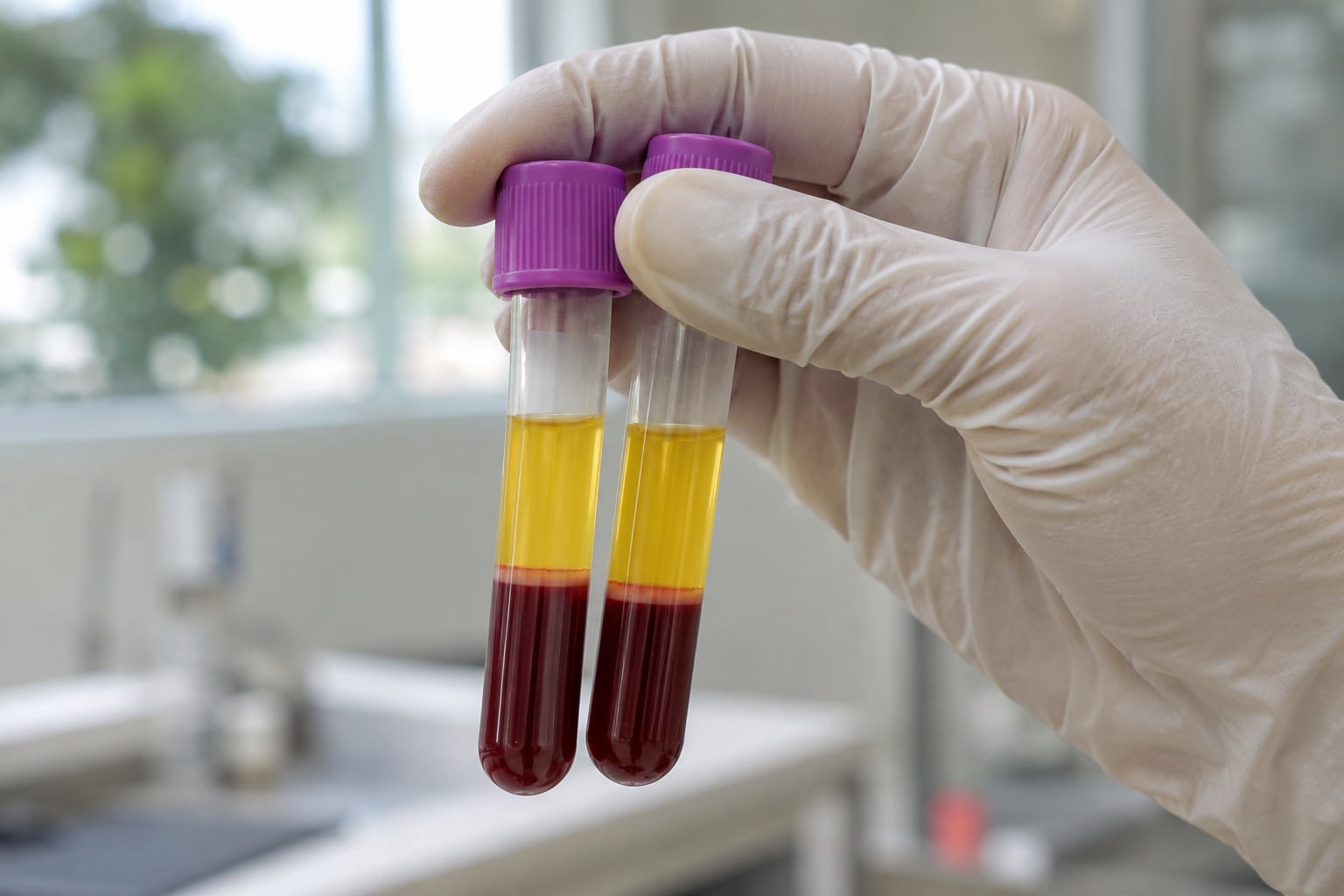
Platelet-rich plasma, usually shortened to PRP, is produced by taking a patient's own blood and placing it in a centrifuge to concentrate the platelets, as my.clevelandclinic.org describes the process. That sentence covers the technique in outline. Nearly everything hard about PRP sits in the choices around it.
The same publisher, my.clevelandclinic.org, describes platelet rich plasma as one of the most exciting and relatively new areas of cosmetic medicine and surgery. Novelty is a reason to pay attention and a reason to ask for more proof. Readers in Ypsilanti who want PRP to fit a complicated situation need both reactions at once.
What PRP makes you weigh
The first conflict is novelty against track record. A newer option can look appealing next to older ones, so ask what you give up by choosing it. Cleveland Clinic's overview of PRP therapy is the plain starting point for what the treatment is meant to do.
The second conflict is purpose. The same blood product gets discussed for skin and for hair, and a reader's goal, timeline and tolerance for downtime may differ between the two. A PMC article on platelet-rich plasma in aesthetic dermatology shows how wide the field has become, so one general answer may not fit your case.
Where the notes go next
The notes are grouped by the constraint each one bends.
When the question is how well it works and how it is made:
If the treatment has to share the plan with another, or aim at a specific problem:
When your calendar is the constraint:
Pick the note whose constraint hurts most, then read its neighbors only if a second constraint is also in play.
The trade-off this page leaves open
None of these notes can decide for you whether a newer technique deserves a place ahead of better-documented options. That call depends on your skin, your calendar and how much uncertainty you will accept, and a hub page has no way to weigh those. Bring the question to a clinician who can examine you, and bring the sources.