
Evidence behind PRP for facial rejuvenation
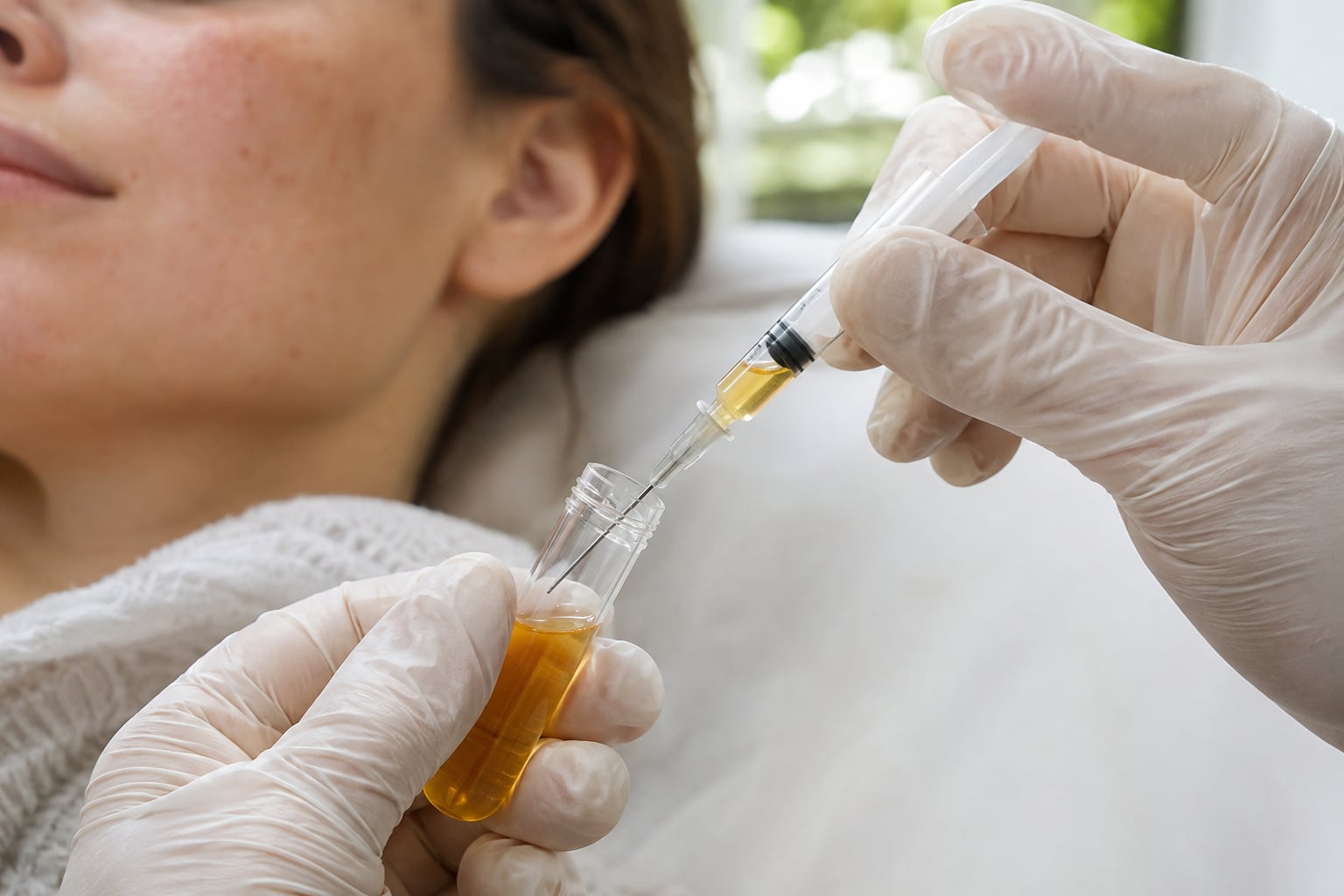
pmc.ncbi.nlm.nih.gov carries a systematic review that provides evidence supporting the efficacy of PRP in aesthetic dermatology, particularly in skin rejuvenation, hair restoration, wound healing and fat grafting. For a reader whose only concern is the face, that report does not settle the question, because it covers four uses at once.
The standard claim, and where it stops fitting
Skin rejuvenation is one item on that list of four, so the face is one slice of the conclusion and not the whole of it.
The article behind that summary is worth reading directly: Platelet-Rich Plasma in Aesthetic Dermatology: Current Evidence and Future Directions. It will tell you more about the scope of the findings than any summary of it can.
The constraints in the order they bite
The first constraint is how the plasma was made. The same publisher, pmc.ncbi.nlm.nih.gov, notes significant heterogeneity in PRP preparation methods and treatment protocols among studies. So the sensible question to put to any clinic is which preparation method and which protocol it uses, since the supportive conclusion was drawn across many of them.
The second constraint is purpose. Evidence for hair restoration or wound healing is not evidence for the face, even when the same review covers all of them. If your concern is hair and not the face, PRP for Hair Loss: Does It Work? is the separate question to ask.
The third constraint is time. Getting answers about method and protocol takes time, so readers in Ypsilanti should allow for it before they book.
The compromise the sources support
Treat the review as a reason to consider PRP, and the variation in methods as the reason to ask questions before committing. Cleveland Clinic's PRP therapy page gives a plain description of the treatment to hold a clinic's answers against.
The caveat that stays attached
A positive conclusion across studies that did not use one method is a conclusion about the field. It is not a promise about the protocol you will be offered. Ask which protocol will be used, ask what it was based on, and decide only once those answers are in hand.